

Training a puppy can be a joyful experience, but it can also be frustrating when your furry friend refuses to follow commands. For pet owners in Katy, having a reliable dog trainer is essential, especially when dealing with stubborn puppies. A professional dog trainer can help you understand your puppy’s behavior, teach essential commands, and build a bond rooted in trust and respect. Choosing the right training techniques not only prevents bad habits from forming but also ensures your puppy grows into a well-mannered adult dog. Whether your pup ignores commands, exhibits separation anxiety, or has a strong-willed personality, expert dog trainer advice can make the process smoother. In this article, we explore practical strategies and tips to effectively train even the most stubborn puppies, helping you enjoy a harmonious relationship with your canine companion.
Understanding Stubborn Puppy Behavior
Before you start training, it’s crucial to understand why some puppies are more stubborn than others. Stubborn behavior is often a result of personality traits, breed tendencies, or past experiences. A dog trainer will tell you that patience and consistency are the foundations of success. Puppies naturally test boundaries as a way to explore their environment, but without proper guidance, this can escalate into persistent disobedience.
Recognizing triggers that cause your puppy to resist commands is the first step. For example, distractions in the home or outside may make it difficult for them to focus. Additionally, some puppies may respond negatively to certain training methods, making a gentle, reward-based approach more effective. By observing your puppy and adjusting your training techniques accordingly, you lay the groundwork for long-term success.
The Importance of Consistent Commands
Consistency is a key factor in overcoming stubborn behavior. Puppies need to hear the same command repeatedly in the same tone to understand what is expected of them. Using different words for the same action can confuse your puppy and slow progress. A professional dog trainer often recommends short, clear commands like “sit,” “stay,” or “come” and reinforcing them with positive reinforcement.
Consistency also extends to daily routines. Feeding times, play sessions, and training periods should follow a predictable schedule. When a puppy knows what to expect, it reduces anxiety and increases their willingness to follow instructions. Over time, this approach helps even the most headstrong puppies respond reliably to your commands.
Positive Reinforcement Techniques
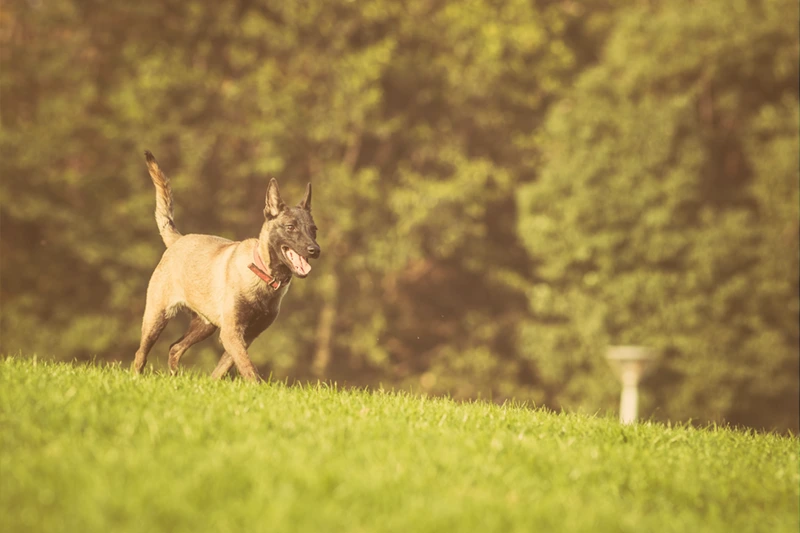
One of the most effective strategies recommended by dog trainers for stubborn puppies is positive reinforcement. Rewarding good behavior with treats, praise, or play encourages your puppy to repeat that behavior. This method builds a positive association with training and reduces the likelihood of frustration for both you and your puppy.
Timing is critical with positive reinforcement. Rewarding immediately after the desired action ensures your puppy understands what behavior is being praised. Over time, this approach fosters a cooperative attitude and strengthens your bond. Remember, patience and repetition are essential stubborn puppies often require more reinforcement than easier-going ones.
Avoiding Common Training Mistakes
Even experienced pet owners make mistakes that can hinder a puppy’s progress. One common error is using punishment or harsh tones, which can lead to fear or aggression. A dog trainer will emphasize that negative reinforcement rarely works with stubborn puppies and can damage trust. Another mistake is overtraining, which can overwhelm a puppy and make them resistant to learning.
It’s also important to set realistic expectations. Puppies, especially stubborn ones, need time to understand commands fully. Short, frequent training sessions are more effective than long, exhausting ones. Recognizing these mistakes early allows you to adjust your approach and make training a positive and productive experience.
Socialization Strategies
Stubborn puppies often react strongly to new environments or unfamiliar dogs and people. Proper socialization is a critical component of training. Introducing your puppy to various settings, sounds, and companions helps them develop confidence and reduces resistance to commands. A professional dog trainer can design socialization exercises tailored to your puppy’s personality.
Gradual exposure is key. Start with controlled environments before moving to more distracting settings. Encouraging positive interactions during these experiences reinforces good behavior and helps your puppy learn to remain calm under different circumstances. Socialization is not just about obedience; it builds your puppy’s emotional resilience and overall well-being.
Crate Training and Structure
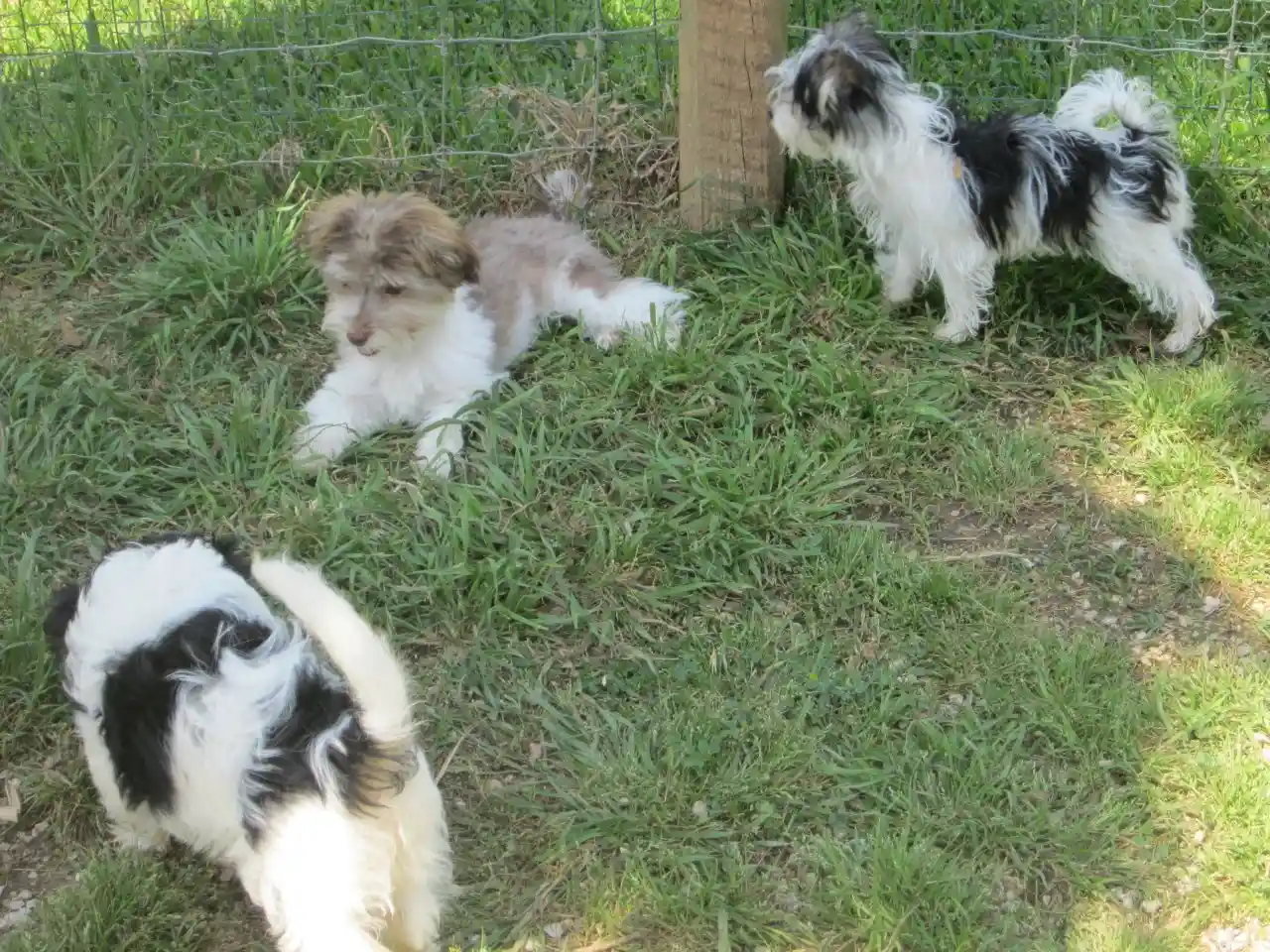
Crate training can be a valuable tool for managing stubborn puppies. It provides a safe space where your puppy can relax while also helping with house training. A dog trainer often recommends introducing the crate gradually, using positive reinforcement to create a pleasant association.
A structured routine around crate use prevents your puppy from feeling trapped or anxious. Feeding, sleeping, and play schedules can all be aligned with crate time. By establishing this structure, even the most stubborn puppies learn boundaries and self-control, making them more receptive to other training techniques.
Patience and Realistic Goals
Training a stubborn puppy requires patience and realistic expectations. Progress may be slow, and setbacks are normal. Dog trainers emphasize celebrating small victories rather than focusing on every mistake. This approach keeps both you and your puppy motivated and reduces frustration.
Setting achievable goals for each training session ensures steady progress. Whether teaching a new command or correcting a specific behavior, incremental steps allow your puppy to succeed consistently. With patience, persistence, and professional guidance, even the most headstrong puppies can become well-behaved companions.
When to Seek Professional Help
Sometimes, despite your best efforts, stubborn behavior persists. This is when consulting a professional dog trainer can be invaluable. Trainers have the experience to identify underlying behavioral issues and develop personalized strategies to address them.
Professional intervention is especially helpful for persistent aggression, extreme anxiety, or compulsive behaviors. Early consultation can prevent minor issues from escalating into serious problems. Working with an expert ensures your puppy receives the right guidance, making training a more enjoyable experience for both pet and owner.
Conclusion
Training a stubborn puppy can be challenging, but with the right approach, it is entirely achievable. Key strategies include understanding your puppy’s behavior, maintaining consistency, using positive reinforcement, and avoiding common training mistakes. Socialization, crate training, and setting realistic goals further support your puppy’s growth into a well-behaved adult dog. Patience and professional guidance are essential throughout the journey, ensuring that both you and your puppy enjoy a positive experience.
At Shelmar Kennels in Katy, our experienced dog trainers specialize in helping owners manage and train even the most stubborn puppies. Our team uses proven techniques tailored to your puppy’s unique personality. For personalized training advice, contact us today at +1 281-371-2554 and give your puppy the guidance they need to thrive.
https://gorgodbarry.podbean.com/e/dog-trainer-advice-for-stubborn-puppies/